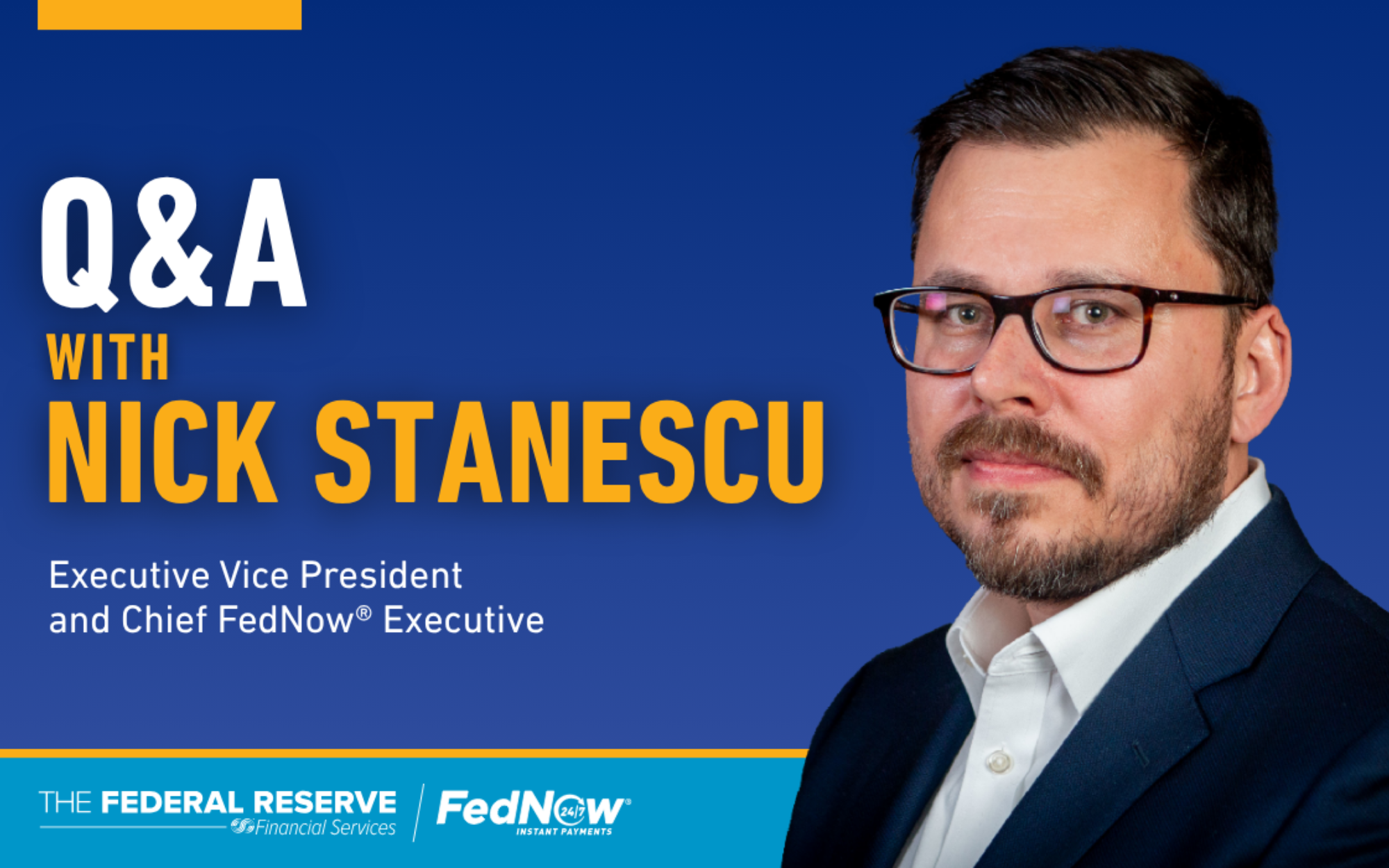
ICBA Payments is committed to ensuring that community banks keep pace with innovation in the payments space. When FedNow launched, ICBA Payments partnered with market leader, Pidgin, to ensure that banks had a community bank-minded option for instant payments.
ICBA Payments is Bringing Push-to-Card Payments to Community Banks
May 28, 2025 / By ICBA
ICBA Payments is committed to ensuring that community banks keep pace with innovation in the payments space. When FedNow launched, ICBA Payments partnered with market leader, Pidgin, to ensure that banks had a community bank-minded option for instant payments.
ICBA Payments is committed to ensuring that community banks keep pace with innovation in the payments space. When FedNow launched, ICBA Payments partnered with market leader, Pidgin, to ensure that banks had a community bank-minded option for instant payments.
Now, as the scope and scale of faster payments use cases continue to accelerate, ICBA Payments is preparing to help community banks launch ‘push-to-card’ solutions as well, and we are looking for interested bankers to join us on this enablement journey.
What are ‘push-to-card’ payments?
Push-to-card payments are push payments that ride card network rails and enable the sending of funds directly to a recipient’s debit or reloadable prepaid card. Recipients have access to funds in near real-time. Notable benefits of this payment type are speed and, since most recipients have a debit card in their possession, accessibility.
This payment type is not new, as the card networks launched related solutions nearly 10 years ago. However, as time goes on, the scope of applicable use cases, volume, and number of certified enablers has continued to increase, now making the capability more widely accessible for financial institutions and end users.
As payments become faster and more digitized over time, faster payments schemes like same-day ACH, push-to-card, and instant (FedNow and RTP) are all expected to continue to grow and take market share from legacy payment types.
What are push-to-card use cases?
There are an endless number of potential uses for push-to-card payments. Wallet cash-outs, account-to-account payments, and business-to-consumer (B2C) payments are some of the more common. The following are some examples of B2C payments that may be applicable to your commercial customers:
Insurance claim payments: Claims paid to the insured at the time of loss
Retail: Refunds and rebates across a range of retail verticals
Utilities: Customer rebates and deposit returns
Auto dealerships: Customer rebates, deposit returns, and payment for vehicles
How can community banks apply push-to-card payments?
Community banks thrive on meeting the needs of small and medium-sized businesses in their communities. Push-to-card payments provide another alternative for meeting business customer payment needs in a fast and low-friction manner. For years, these payments were most common among large banks and large corporate disbursers; however, as the number of enablers and use cases has increased, more community banks are starting to leverage the capabilities to meet the needs of their customers.
How can I get involved?
ICBA Payments will be developing a community-bank structured push-to-card solution over the next 18 months. If your bank is interested in becoming a pilot participant and contributing to the strategy and approach, please reach out to nick.denning@icba.org.
Subscribe now
Sign up for the Independent Banker newsletter to receive twice-monthly emails about new issues and must-read content you might have missed.
Sponsored Content
Featured Webinars


Join ICBA Community
Interested in discussing this and other topics? Network with and learn from your peers with the app designed for community bankers.
Subscribe Today
Sign up for Independent Banker eNews to receive twice-monthly emails that alert you when a new issue drops and highlight must-read content you might have missed.
News Watch Today

Join the Conversation with ICBA Community
ICBA Community is an online platform led by community bankers to foster connections, collaborations, and discussions on industry news, best practices, and regulations, while promoting networking, mentorship, and member feedback to guide future initiatives.
Join the Community Example Text