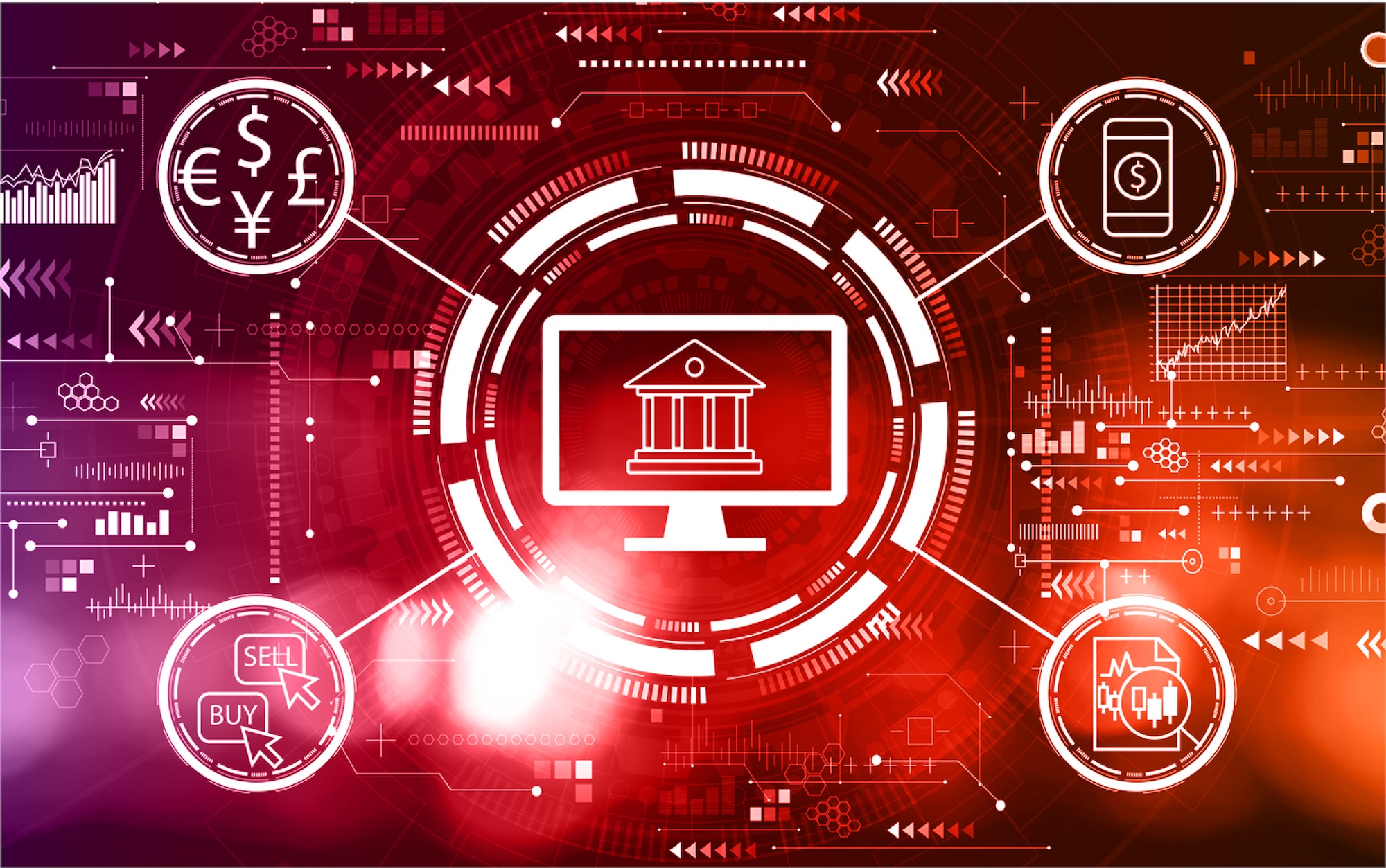
A Visa study examines how digital trends are reinventing consumer expectations. This shift in the ecosystem is driven by universal connectivity, prevalent social media use, the rise of Internet of Things (IoT) devices, and increasingly interactive user experiences along the entire customer journey and across all channels.
Visa Examines Digital Trends and Consumer Expectations
August 15, 2018 / By ICBA
A Visa study examines how digital trends are reinventing consumer expectations. This shift in the ecosystem is driven by universal connectivity, prevalent social media use, the rise of Internet of Things (IoT) devices, and increasingly interactive user experiences along the entire customer journey and across all channels.
A Visa study examines how digital trends are reinventing consumer expectations. This shift in the ecosystem is driven by universal connectivity, prevalent social media use, the rise of Internet of Things (IoT) devices, and increasingly interactive user experiences along the entire customer journey and across all channels.
Visa’s Digital Consumer study explores and defines:
- The evolving digital consumer,
- Current frustrations with financial services, and
- Opportunities that exist for financial institutions to meet the needs of this growing cohort.
Visa’s in-depth analysis of customer behaviors around new digital trends yielded several important considerations.
- Attracting leading digital consumers presents a valuable financial opportunity for financial institutions. Digital consumers spend, earn, and invest more money than the rest of the population. On average, leading digital consumers earn about $105,000 per year, almost two times more than established consumers. This earnings gap is expected to widen, as leading digital consumers are typically younger and thus have not yet reached their full earning potential. Financial institutions must attract these consumers early on to ensure that they win the added payment volume and revenue.

- Offering digital solutions is a key way for financial institutions to differentiate themselves in the market. Easy-to-use mobile apps are one initiative that financial institutions can integrate into their strategy. Leading digital consumers are frequent users of their mobile banking apps – with 84 percent of surveyed participants using it more than once a week. This is a stark contrast to the 38 percent of established consumers who do not use mobile banking apps at all. Strong mobile app differentiators include access to relevant information, easy-to-use interfaces, elements of personalized, dynamic content and tools to put cardholders in control of their own finances.

- Finally, leading digital consumers are most frustrated with the amount of time and energy required to manage payments. Solutions to frustrations that enabled cardholders to save time were most likely to change card behavior. Survey respondents want payments embedded into their everyday lives, so that they do not have to take the time to update card credentials or worry about whether new technology will be payment-enabled.
Learn more about Visa's findings.
Subscribe now
Sign up for the Independent Banker newsletter to receive twice-monthly emails about new issues and must-read content you might have missed.
Sponsored Content
Featured Webinars


Join ICBA Community
Interested in discussing this and other topics? Network with and learn from your peers with the app designed for community bankers.
Subscribe Today
Sign up for Independent Banker eNews to receive twice-monthly emails that alert you when a new issue drops and highlight must-read content you might have missed.
News Watch Today

Join the Conversation with ICBA Community
ICBA Community is an online platform led by community bankers to foster connections, collaborations, and discussions on industry news, best practices, and regulations, while promoting networking, mentorship, and member feedback to guide future initiatives.
Join the Community Example Text