SPONSORED | For five years, CECL exams ran on a simple premise: show us what you did, and we'll tell you if you got it wrong. The OCC's July 2026 update to the "Allowances for Credit Losses" booklet ends that era. In a recent Empyrean webinar, Zach Englert walked through what changed and what institutions should check before their next exam.
Examiner-Ready CECL: What the OCC's 2026 Handbook Update Changes
September 01, 2026 / By ICBA
SPONSORED | For five years, CECL exams ran on a simple premise: show us what you did, and we'll tell you if you got it wrong. The OCC's July 2026 update to the "Allowances for Credit Losses" booklet ends that era. In a recent Empyrean webinar, Zach Englert walked through what changed and what institutions should check before their next exam.
From vague to prescriptive
The 2021 version opened with the CECL origin story and folded data review into broader process testing. The 2026 version drops the history, cites revised model risk management guidance, and adds a standalone data controls objective. One of the changes that matters most: examiners now have explicit if/then conclusions directing findings and escalation.
Where institutions are getting caught
Policy that doesn't match practice. The most common finding is also the most avoidable: practices such as annual reviews or evaluations without an action item associated with them. Effective challenge of model assumptions must take place in line with what the policy outlines.
Q-factors without a traceable why. Qualitative factors are drawing the heaviest scrutiny, largely because loss history is thin and Q-factors may carry a material share of the reserve. Scorecard adjustments moving each quarter while the supporting narrative sits unchanged. Both magnitude and direction need a documented reason. A factor that hasn't moved in two years will prompt a question about why it's still a factor at all.
Validation findings that never close. Institutions acknowledge findings, commit to a fix, then have nothing to show six months later.
Data lineage. Can you prove the balances on your core match what comes out of your CECL model? Englert's challenge: that reconciliation should take 15 minutes to an hour, not multiple days, and it belongs in your model validation scope.
Forecasting and validation
Two framing points worth taking to your board. First, the reasonable and supportable period is a methodology assumption, not an accounting policy election, so it needs the same governance and periodic re-evaluation as any other input. Second, multiple economic scenarios are allowed but never required. A single well-supported scenario works.
On backtesting, the question examiners are asking is not how wide the gap is between projected losses and actual charge-offs, but whether that difference is consistent. Conservative estimates rarely draw complaints. What draws attention is a model that doesn't move when credit quality does.
The takeaway
Most of this checklist is low effort and high value: reconcile your data, document your effective challenge, tie Q-factor movement to observable indicators, and close your validation findings. Scale the depth to your size and complexity. Then put it in writing.
Questions about your CECL readiness? Reach Zach Englert at Zach.Englert@EmpyreanSolutions.com.
Learn more about Empyrean CECL today by visiting empyreansolutions.com/risk-management/cecl.
Subscribe now
Sign up for the Independent Banker newsletter to receive twice-monthly emails about new issues and must-read content you might have missed.
Sponsored Content

Featured Webinars


Join ICBA Community
Interested in discussing this and other topics? Network with and learn from your peers with the app designed for community bankers.
Related Articles

What 1,100 Consumers Told Us About Banking
Digital BankingIndustry Outlook

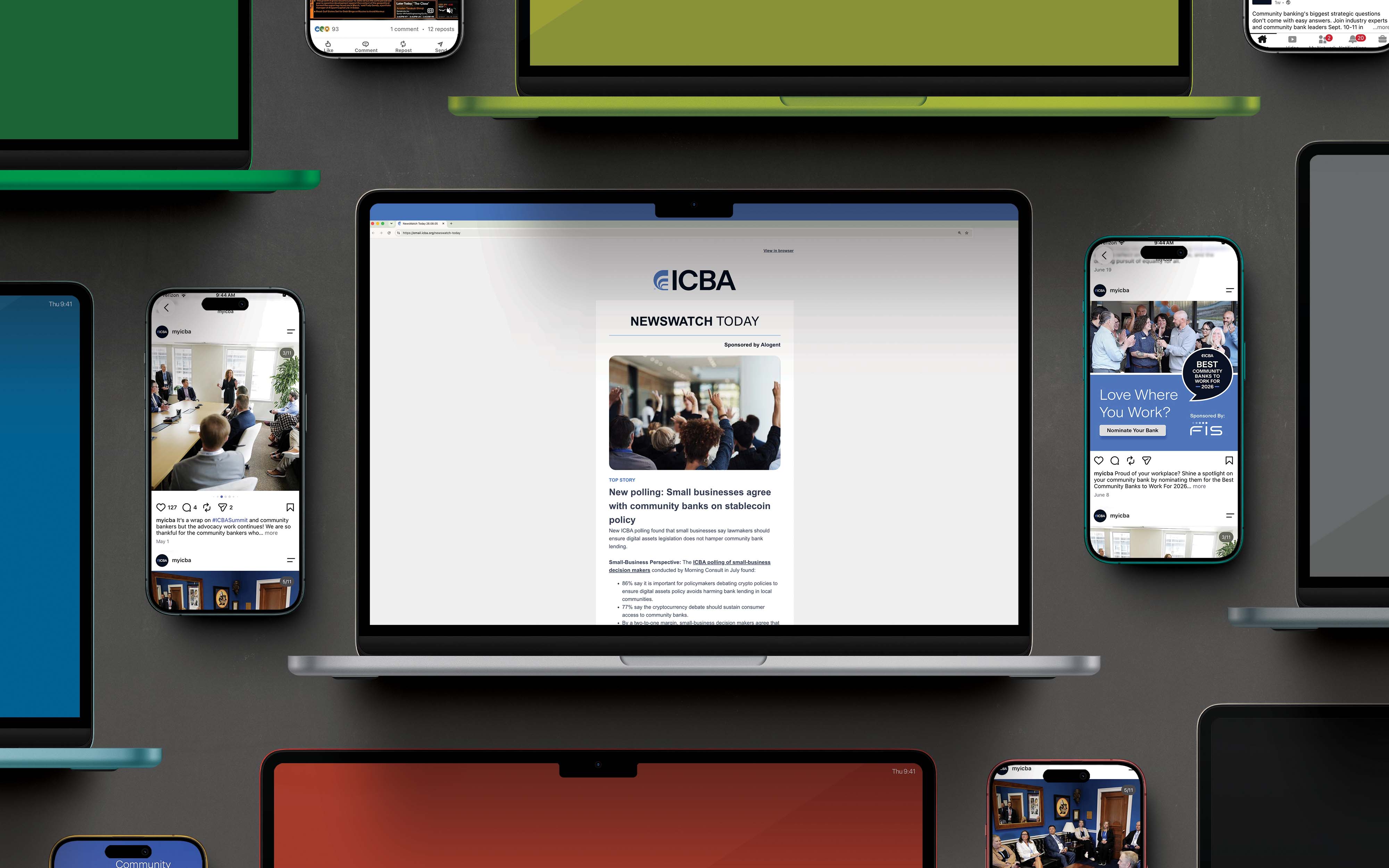
This Is How ICBA Keeps Community Bankers Informed
PeopleEducation and Training

Certification Q&A: Jenny Bogden
PeopleEducation and Training
Subscribe Today
Sign up for Independent Banker eNews to receive twice-monthly emails that alert you when a new issue drops and highlight must-read content you might have missed.
News Watch Today

Join the Conversation with ICBA Community
ICBA Community is an online platform led by community bankers to foster connections, collaborations, and discussions on industry news, best practices, and regulations, while promoting networking, mentorship, and member feedback to guide future initiatives.
Join the Community Example Text