More community banks are considering offering teen accounts. For teens, it’s a way to teach money management skills. For banks, it’s an investment in future customers.
Teen Debit Cards and Financial Literacy

More community banks are considering offering teen accounts. For teens, it’s a way to teach money management skills. For banks, it’s an investment in future customers.
March 01, 2026 / By Anna Burgess Yang
More community banks are considering offering teen accounts. For teens, it’s a way to teach money management skills. For banks, it’s an investment in future customers.
The days of teaching money management skills to kids via cash divided into “savings” and “spending” jars are long gone. Cash is not only impractical in a world of online purchases but also inconvenient for parents who might be mostly cashless for their own purchases.
Kids need new ways to learn the fundamentals of earning, saving and spending. Teen debit cards and accompanying apps offer community banks an opportunity to reach teens where they spend a lot of their time: on their phones.
When paired with financial education, these programs don’t just teach teens how to use a card; they set young customers up for financial success while building banking relationships.
Choosing a teen debit card provider: partner vs. in-house solutions
When community banks consider offering teen debit cards, one of the first decisions is whether to partner with an outside provider or build an in-house solution. An important factor is the banking app itself, which needs to be engaging to appeal to teens.
“The experience should be relevant and contextual to how the kid is interacting with your digital service,” says Marcell King, COO and president of Nuuvia, a fintech firm that partners with community banks to provide youth banking solutions. “They’re learning in real time, but it is also gamifying and giving incentives for completing certain videos [on financial education] or other parts of the app.” Nuuvia is a former participant in the ICBA ThinkTECH Accelerator program.
The “easy” approach is partnering with a consumer-facing fintech company like Greenlight. Greenlight has features and controls built directly into its app. The problem? The bank loses the opportunity to build a relationship directly with the teen. Even with a co-branded debit card, the Greenlight branding is still prominently displayed.
The alternatives are either a white-label solution (like Nuuvia) or an in-house solution where the community bank offers a youth banking experience within its existing app. The bank issues the debit card, and the bank maintains the customer data and relationship.
For community banks considering the in-house route, operational details matter. In Salem, Missouri, $749 million-asset Town and Country Bank requires teens to open an account in person with a parent or guardian present. The parent becomes a joint owner, providing oversight while giving the teen their own card. It also safeguards against fraud.
Javier Sanchez, AVP and financial literacy specialist at $1.2 billion-asset Fidelity Bank in New Orleans, thinks it’s important for parents to monitor their teen’s account.
“It’s always a teachable moment,” he says. “You have to understand that giving your child this product means that you have to be responsible as well.” The community bank’s app also includes budgeting tools to help teens learn to monitor their spending.
Teen debit card features and parental controls
Common features and safeguards of teen debit cards
- No overdrafts
- Daily transaction limits
- Merchant blocking
- Card turnoff
- Quick transfers
- Borrow requests
The most fundamental guardrail of a teen debit card is that the account cannot overdraw. If there’s no money in the account, the transaction simply declines, a natural consequence that reinforces the lesson that you can’t spend what you don’t have.
However, additional features that help parents teach their teen money management skills include daily transaction limits, blocking certain types of merchants or even turning the card off entirely if needed. These controls give parents peace of mind while still allowing teens some independence.
Teen debit cards at Town and Country Bank have alerts for parents. It’s also easy for parents to transfer money to their teen’s account. If a card is declined at a gas station, for example, the parent can do a quick transfer so the teen has enough money to pay.
Some apps go further, turning the card into a tool for teaching more advanced financial concepts. Nuuvia offers a borrowing module where kids can request to borrow money from parents and pay it back, including interest. It introduces credit in a much more controlled way than a young adult might otherwise experience with their first credit card.
Building lifelong banking relationships
More from ICBA
Whether you want to manage your own card program or have someone else do it, explore how to boost your community bank’s card offering by visiting icba.org/payments
For community banks, teen debit cards are a strategic investment in future customers. The earlier a bank engages with a young person, the more likely that relationship will last into adulthood. Teen accounts at both Town and Country Bank and Fidelity Bank transition to regular checking accounts when the teen is old enough.
The economics make sense, too. Acquiring teen customers costs significantly less than convincing adults to switch banks. And if banks don’t have relationships with the children and grandchildren of current customers, they risk losing those deposits entirely.
Town and Country Bank is exploring accounts for even younger kids. “One of our goals is generational banking,” says Shay Hawkins, part of the marketing team at Town and Country Bank. “We want to gain that teen’s business so they can grow up with us.”
For community banks weighing whether to offer teen accounts, the message from those who already do is clear: The time to act is now. Banks that do are well on their way to cementing relationships with the next generation.
Anna Burgess Yang is a writer in Illinois.
Subscribe now
Sign up for the Independent Banker newsletter to receive twice-monthly emails about new issues and must-read content you might have missed.
Sponsored Content


Featured Webinars


Join ICBA Community
Interested in discussing this and other topics? Network with and learn from your peers with the app designed for community bankers.
Related Articles

Three Questions to Ask About Moving Deposits Off Balance Sheet
PaymentsPayments & Tech


How ICBA is Fighting Fraud Through Advocacy
FraudAdvocacy
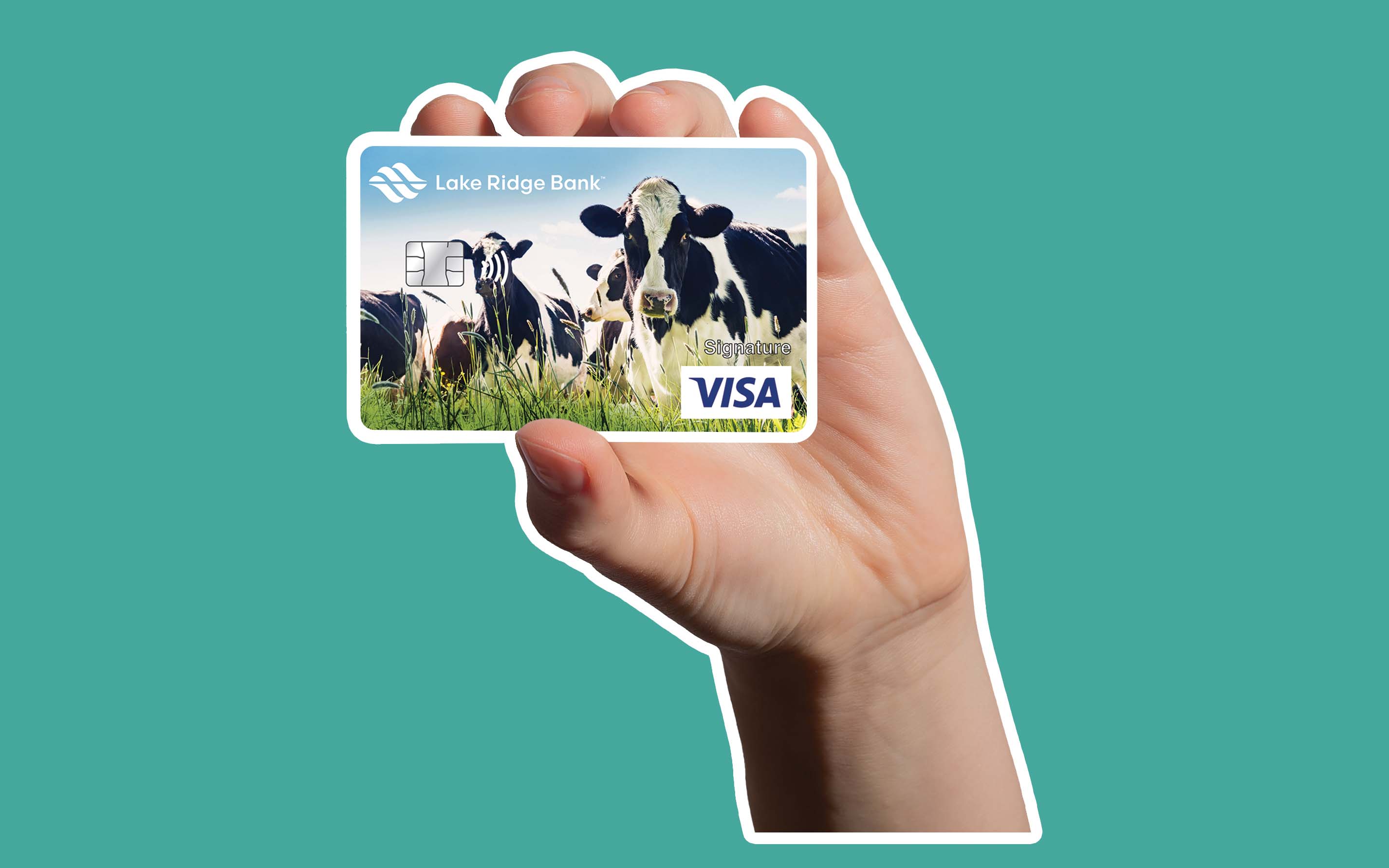
How to Compete in the Small Business Card Space
Small BusinessPayments
Subscribe Today
Sign up for Independent Banker eNews to receive twice-monthly emails that alert you when a new issue drops and highlight must-read content you might have missed.
News Watch Today

Join the Conversation with ICBA Community
ICBA Community is an online platform led by community bankers to foster connections, collaborations, and discussions on industry news, best practices, and regulations, while promoting networking, mentorship, and member feedback to guide future initiatives.
Join the Community Example Text