When it comes to card revenue, having the right bank identification number (BIN) type is critical.
How to Unlock Hidden Card Revenue with BINs

When it comes to card revenue, having the right bank identification number (BIN) type is critical.
December 01, 2025 / By Jacob Eisen
When it comes to card revenue, having the right bank identification number (BIN) type is critical.
When it comes to card revenue, having the right bank identification number (BIN) type is critical. BINs are the first six to eight digits on a card that identify the issuing institution and card type, but their impact extends beyond labeling a transaction.
BINs are assigned differently for commercial or consumer accounts, reward- or non-reward-based transactions, and debit or credit payments. The right mix can make the difference between a highly profitable card program or the status quo.
Different BIN types trigger different interchange levels—the percentage a bank can earn on each transaction—so they can drastically affect a card program’s returns.
Next steps
To optimize your BINs, reach out to your ICBA Payments relationship manager or email payments@icba.org
For instance, a $10 million portfolio using an incorrect BIN structure could lose five to 10 basis points of interchange—tens of thousands annually in unrealized revenue.
For this reason, every community bank with a card program should take time to assess its BIN status, ensure it aligns with the ways the card is being used, look for ways to maximize revenue and seek to optimize its program. Specifically, community banks should consider the following steps:
- Incorporate business BINs into portfolios. ICBA Payments works with clients to optimize their card programs and often uncovers consumer BINs being used by small businesses. Using a consumer BIN for a business transaction equals lost revenue: Business BINs pay 90 to 100 basis points more than consumer cards. By simply deploying the right BIN for the type of transaction, community banks stand to earn more.
- Limit the number of PIN-based point-of-sale (POS) networks in portfolios. There are network participation fees for these networks, so by limiting the portfolio to one PIN POS, community banks can lower their costs and support better revenue margins.
- Develop campaigns targeting higher interchange transactions and encouraging card use. Travel and dining drive higher interchange rates, so consider campaigns that encourage card use in these segments. Little shifts add up to a lot: If a bank with 10,000 cards can drive one more transaction per month across their card base, it will earn $65,000 more in interchange per year.
Community banks can increase interchange revenue through simple strategic shifts, because at its core, interchange optimization is about accuracy. Banks that confirm their BIN classifications, analyze interchange by product type and ask for transparency on how transactions are routed will see stronger returns on their card programs.
Jacob Eisen is president and CEO of ICBA Payments and TCM Bank, N.A.
Subscribe now
Sign up for the Independent Banker newsletter to receive twice-monthly emails about new issues and must-read content you might have missed.
Sponsored Content
Featured Webinars


Join ICBA Community
Interested in discussing this and other topics? Network with and learn from your peers with the app designed for community bankers.
Related Articles
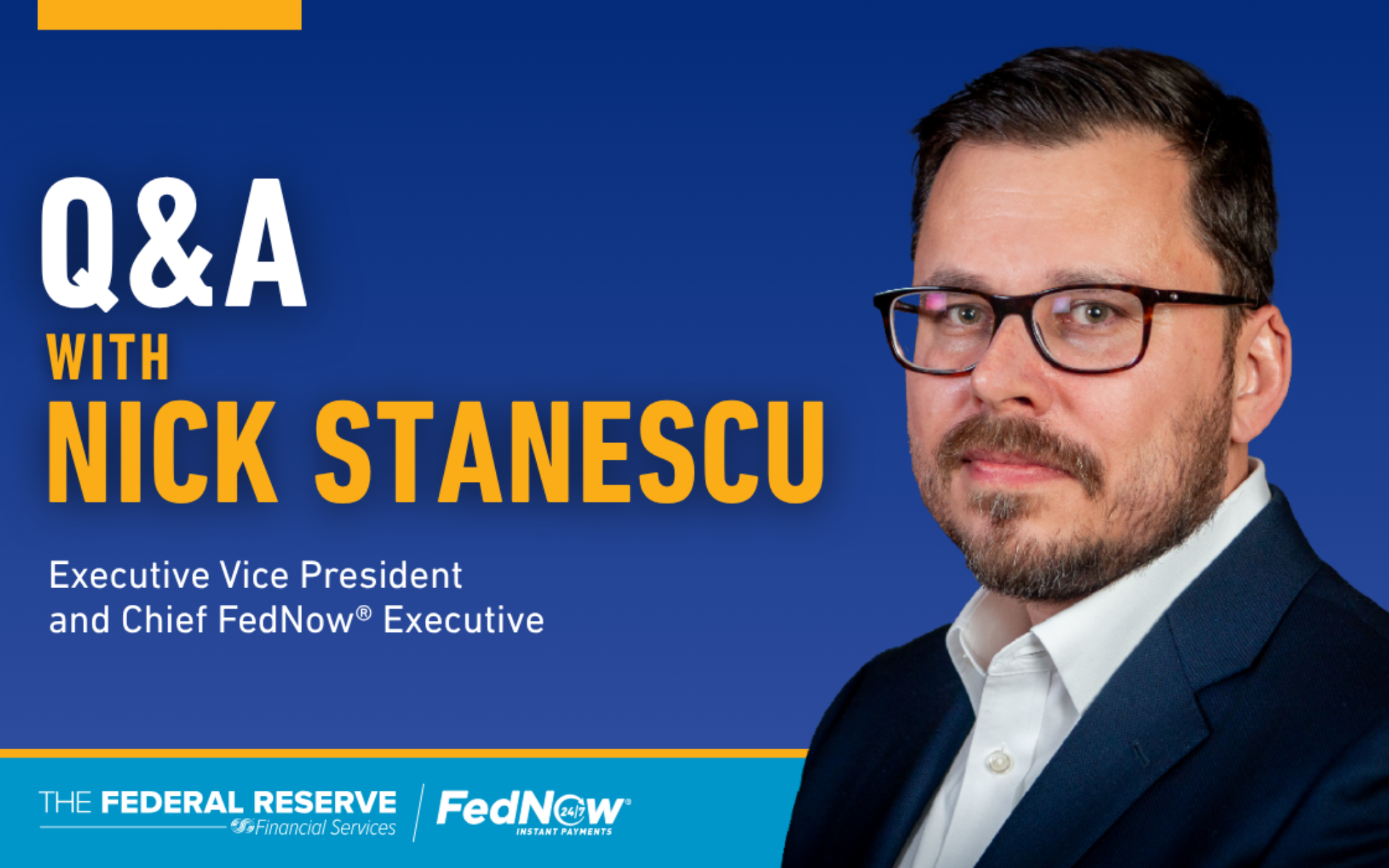
New News About the FedNow® Service
Digital BankingPayments

Fostering health and wellness in rural Georgia
CulturePeople


Regulatory Relief Gains Momentum on Capitol Hill
AdvocacyLegislation and Regulation
Subscribe Today
Sign up for Independent Banker eNews to receive twice-monthly emails that alert you when a new issue drops and highlight must-read content you might have missed.
News Watch Today

Join the Conversation with ICBA Community
ICBA Community is an online platform led by community bankers to foster connections, collaborations, and discussions on industry news, best practices, and regulations, while promoting networking, mentorship, and member feedback to guide future initiatives.
Join the Community Example Text