BSA compliance is critical to financial security, but it works best when oversight aligns with risk. Learn how outdated thresholds, inconsistent exams, and evolving guidance affect community banks, and what reforms could improve effectiveness.
Rhonda Thomas-Whitley: Why Risk-Based BSA Compliance Matters for Banks
BSA compliance is critical to financial security, but it works best when oversight aligns with risk. Learn how outdated thresholds, inconsistent exams, and evolving guidance affect community banks, and what reforms could improve effectiveness.
February 01, 2026 / By Rhonda Thomas-Whitley
BSA compliance is critical to financial security, but it works best when oversight aligns with risk. Learn how outdated thresholds, inconsistent exams, and evolving guidance affect community banks, and what reforms could improve effectiveness.
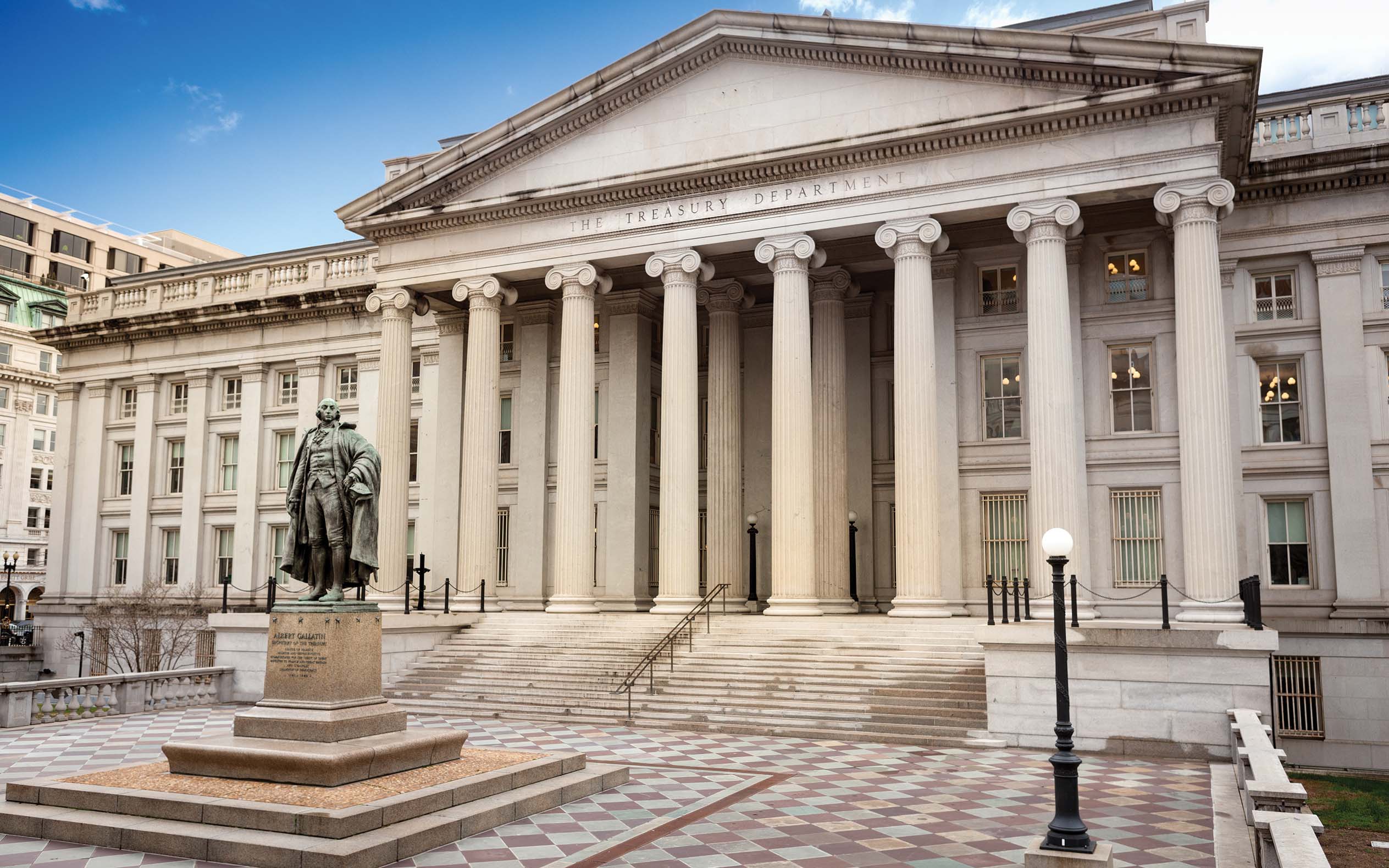
For community banks, the Bank Secrecy Act (BSA) is much more than just another abstract regulation. Enacted in 1970, the law authorizes the U.S. Department of the Treasury to require banks to report certain transactions and is intended to help detect money laundering and other financial crimes. Those requirements have expanded significantly over time, placing growing compliance demands on community banks.
The BSA is a broad record-keeping and reporting framework to help detect and prevent money laundering, terrorist financing and other financial crimes that applies to all banks regardless of size. Under the BSA, banks must keep records of cash purchases of negotiable instruments, report cash transactions exceeding $10,000 in a single day, and file reports on any suspicious transaction or activity tied to potential money laundering, tax evasion, terror financing or other criminal conduct.
Momentum on a long-term issue
ICBA has pushed for BSA reform for years, both broadly and around specific reporting thresholds that hit community banks hardest. That includes long-standing calls to raise the Currency Transaction Report (CTR) threshold to $30,000 from $10,000.01 and to increase the Suspicious Activity Report (SAR) threshold to $10,000 from $5,000. Those thresholds haven’t changed since they were established (CTRs in 1972 and SARs in 1992), even as compliance expectations continue to grow.
With the current administration and Congress showing renewed interest in BSA reform, ICBA believes the conditions might finally be ripe for change. For example, legislation has been introduced in both the House and the Senate that would raise key BSA reporting thresholds. While the outcome of those bills remains uncertain, their introduction alone signals growing recognition that current thresholds no longer reflect today’s banking environment.
The latest BSA updates
Change is also happening outside of the legislative process. For instance, regulators updated guidance that affects how banks handle suspicious activity reporting. The Financial Crimes Enforcement Network (FinCEN) issued updates to its frequently asked questions section on SARs, offering clearer direction and a more practical approach to SAR requirements. ICBA would like to see that guidance incorporated into the Federal Financial Institutions Examination Council BSA examination manual, so banks and examiners are working from the same set of expectations.
Beyond reporting thresholds and guidance, ICBA is advocating for a truly risk-based BSA framework, including risk-based examinations. While examiners are expected to assess banks based on size, complexity and actual risk, they often apply standards built for much larger banks. That approach creates unnecessary friction and undermines the purpose of a risk-based regime. ICBA continues to press for BSA exams that align with real-world risk and apply those standards consistently across the banking industry.
ICBA is also engaging directly with the Treasury and FinCEN to come up with ways to streamline BSA reporting requirements. Those conversations focus on reducing unnecessary steps and improving efficiency, while preserving the information regulators and law enforcement actually use.
These incremental steps reflect a broader push to make BSA compliance more practical for community banks. We want members to know this work is ongoing and that these conversations continue.
Change doesn’t happen overnight
How you can help
Contact your legislators easily using templates and tools from icba.org/advocacy
Every day, community banks carry the responsibility of complying with BSA requirements while serving their customers and communities. That work moves forward, but when exams don’t reflect a bank’s actual risk profile, ICBA needs to hear about it. For example, if examiners focus on SAR volume as a measure of effectiveness, it moves exams away from a risk-based approach. BSA compliance isn’t about hitting quotas, and those expectations shouldn’t be driving exams.
Real-world feedback matters. When community bankers share their perspectives about the supervisory environment and day-to-day compliance, ICBA brings those examples directly into its conversations with regulators. Those experiences help show where the current framework breaks down and why changes are needed.
Looking ahead, we know that community banks are on the front lines when it comes to protecting their communities and the U.S. financial system. They take that responsibility seriously and invest significant time and resources into meeting BSA requirements. ICBA will continue pushing for reforms that better align oversight with risk, while encouraging banks to speak up when the process misses the mark. Input like that helps ICBA push for a BSA framework that makes sense for independent bankers, their customers and the communities they serve.
BSA reform won’t happen overnight. Changes to laws, guidance and examination practices move deliberately, and progress often comes in steps. ICBA plans to stay active and engaged throughout the process, pressing for practical improvements and keeping community bank realities front and center as reform efforts move forward.
Rhonda Thomas-Whitley is ICBA vice president and regulatory counsel.
Subscribe now
Sign up for the Independent Banker newsletter to receive twice-monthly emails about new issues and must-read content you might have missed.
Sponsored Content


Featured Webinars


Join ICBA Community
Interested in discussing this and other topics? Network with and learn from your peers with the app designed for community bankers.
Related Articles

Community Bank CFOs on Regulation and Cost Pressures
Compliance & RiskCompliance and BSA-AML

Beyond the Rate Race: Bank Deposit Growth Strategies
Digital BankingGrowth

Anjelica Dortch: Community Bank AI Security Readiness Guide is Here
CybersecurityAdvocacy
Subscribe Today
Sign up for Independent Banker eNews to receive twice-monthly emails that alert you when a new issue drops and highlight must-read content you might have missed.
News Watch Today

Join the Conversation with ICBA Community
ICBA Community is an online platform led by community bankers to foster connections, collaborations, and discussions on industry news, best practices, and regulations, while promoting networking, mentorship, and member feedback to guide future initiatives.
Join the Community Example Text