Trust is the cornerstone of relationship banking. It sits at the heart of all you do. But in today’s increasingly sophisticated fraud environment, maintaining that trust can be a challenge.
Jacob Eisen: Turn Fraud Prevention Into a Trust Asset

Trust is the cornerstone of relationship banking. It sits at the heart of all you do. But in today’s increasingly sophisticated fraud environment, maintaining that trust can be a challenge.
Image by Deagreez/Adobe
September 01, 2026 / By Jacob Eisen
Trust is the cornerstone of relationship banking. It sits at the heart of all you do. But in today’s increasingly sophisticated fraud environment, maintaining that trust can be a challenge.
Trust is the cornerstone of relationship banking. It sits at the heart of all you do. But in today’s increasingly sophisticated fraud environment, maintaining that trust can be a challenge.
Payments industry changes place community banks firmly in the center of a trust paradox, balancing customer experience with fraud prevention. The work now falls on banks to not just retain customers’ trust but also to deliver a seamless experience while introducing protocols that protect them.
Consider that today, nearly 95% of consumers deem fraud protection an important factor that influences their level of trust in their bank. But at the same time, 32% find it frustrating or inconvenient to be sent security codes, and nearly one-quarter (23%) describe the need for a balance of security and convenience. This data signals that community banks have to invest in fraud prevention without degrading the customer experience.
But as credit-push fraud, social engineering scams, real-time payments risk, card fraud and more permeate the landscape, capturing the right mix to safeguard customers requires a hefty investment and strategic oversight. The shift from card fraud to authorized push payment fraud alone has required new payment strategies from both a compliance and customer education perspective.
With so much at stake, payments fraud prevention has become a consistent community bank priority, one that invokes board-level engagement. But it’s in these moments that community banks can shine. Knowing your customers and having their trust puts you in a strong position to better support them.
A change in perspective
What if community banks looked at fraud prevention and cybersecurity not as cost centers but as strategic trust assets? With deep knowledge of your customers, your team is uniquely positioned to deliver what’s needed to protect them. Because of established relationships, customers are willing to take your advice and appropriate precautions against fraud. Because they trust you, they are willing to connect with you on a local level when they are unsure or have a question. Your relationship banking model serves not only as a fraud deterrent but also a competitive differentiator.
In addition, this thriving community of community bankers can rely on one another, sharing information to stay ahead of fraud trends. For instance, ICBA Community has a fraud forum where community bankers can offer the latest insights on scams affecting their banks, giving other bankers a heads up when a new threat is making the rounds. This connected engagement makes us all stronger in the fight against fraud.
So, while the fraud/customer convenience paradox will continue to be a challenge, as community bankers, you have the advantage: You know your customers and they know you, and that simple fact makes all the difference.
Jacob Eisen is president and CEO of ICBA Payments and TCM Bank, N.A.
Subscribe now
Sign up for the Independent Banker newsletter to receive twice-monthly emails about new issues and must-read content you might have missed.
Sponsored Content

Featured Webinars


Join ICBA Community
Interested in discussing this and other topics? Network with and learn from your peers with the app designed for community bankers.
Related Articles

What 1,100 Consumers Told Us About Banking
Digital BankingIndustry Outlook

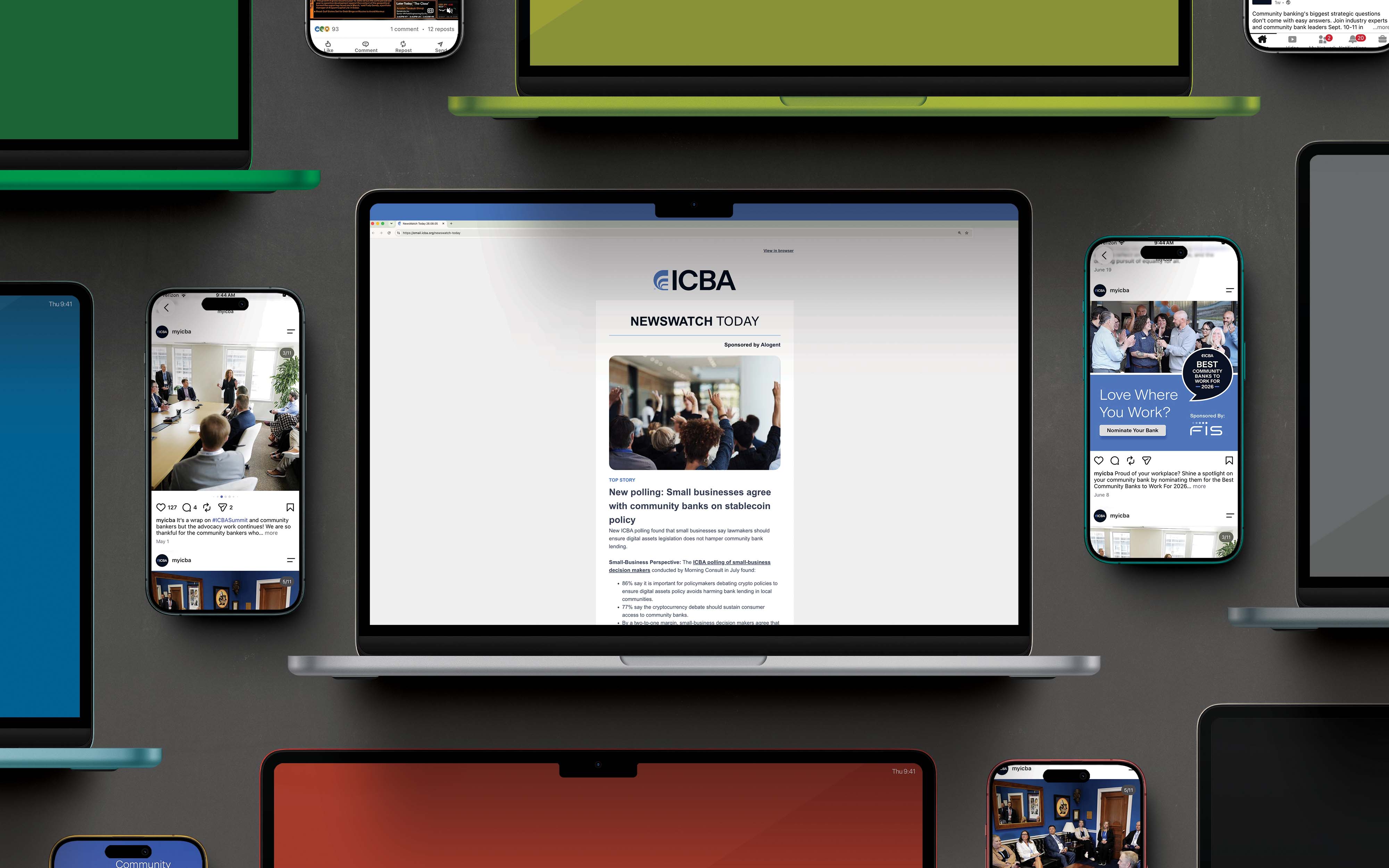
This Is How ICBA Keeps Community Bankers Informed
PeopleEducation and Training

Subscribe Today
Sign up for Independent Banker eNews to receive twice-monthly emails that alert you when a new issue drops and highlight must-read content you might have missed.
News Watch Today

Join the Conversation with ICBA Community
ICBA Community is an online platform led by community bankers to foster connections, collaborations, and discussions on industry news, best practices, and regulations, while promoting networking, mentorship, and member feedback to guide future initiatives.
Join the Community Example Text