These San Diego Community Banks are Powering Local Business
February 01, 2026 / By Mindy Charski
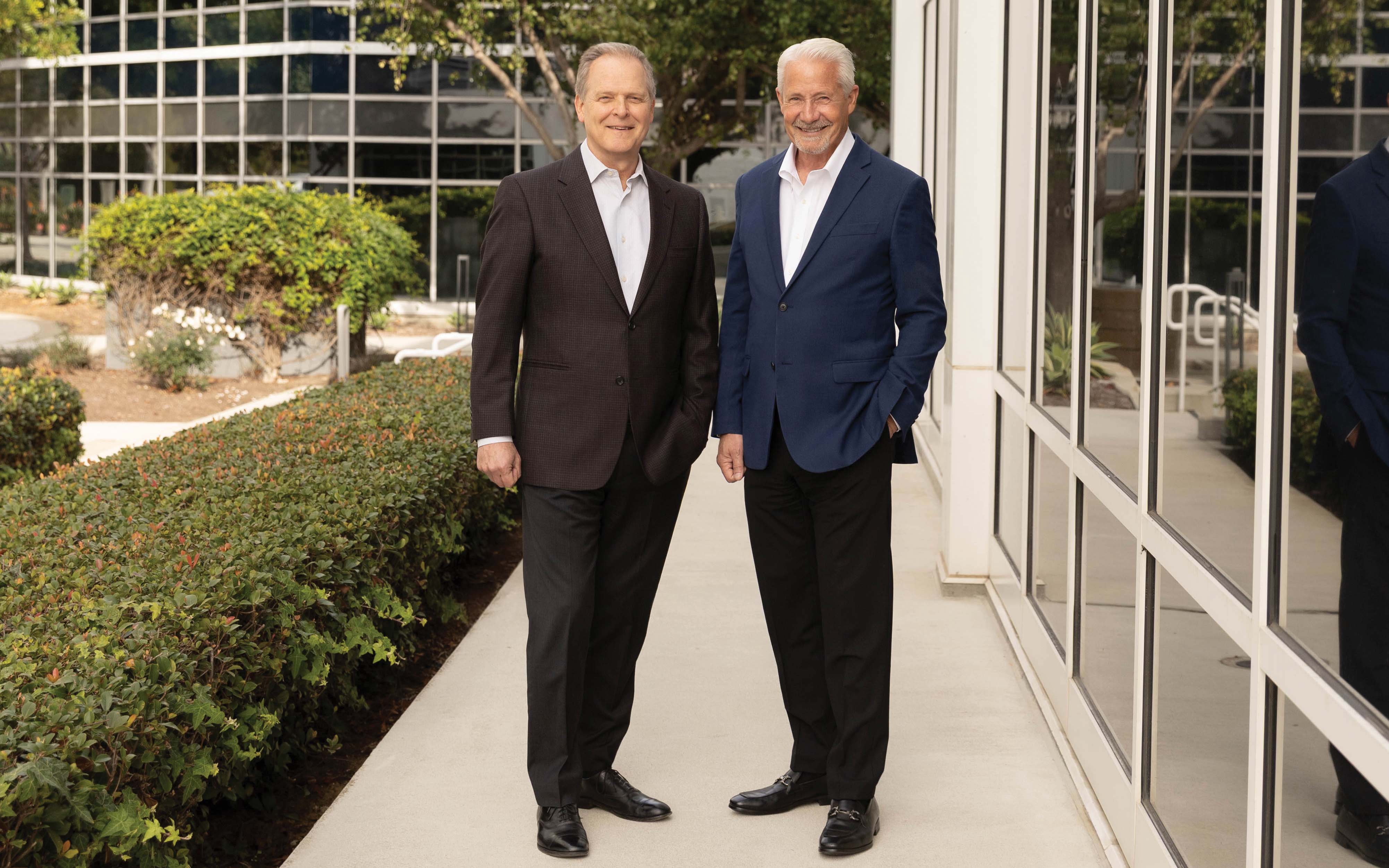
When Dan Yates, CEO of $758 million-asset Endeavor Bank in San Diego, was growing up, the major employers in San Diego were tourism, the University of California San Diego and the military. They remain so today. In fact, his hometown has the largest federal military workforce in the country, according to the San Diego Regional Economic Development Corporation.
But Yates has seen other industries take root and blossom over the past several decades, including life sciences. San Diego is now a top market for an ecosystem that includes biotechnology, medical devices and pharmaceuticals. “All the related industries that flow out of that have turned San Diego to a much more diversified business climate for a bank like ours,” Yates says.
Meanwhile, the regional economy of six counties near San Diego County has generally kept pace with the economic growth of the rest of the country and state, according to the 2024 Southern California Economic Update.
“Southern California is arguably the best business market in the United States,” says Steve Sefton, president of Endeavor Bank, who has worked in the area for more than four decades.
We spoke with three very different community banks to learn how they’re serving their communities in the southern tip of California, where opportunities, like sunshine, are plentiful.
Thriving with an old-school approach
Yates and Sefton launched Endeavor Bank in 2018 to fill what Yates calls a “hole in the market.” A number of banks had left San Diego, and many small and mid-size companies that would prefer local decision-making were reluctantly establishing banking relationships outside of the metro area.
The co-founders saw an opening to deliver their brand of banking to local businesses in a growing market.
“It was almost too compelling not to take that journey on,” Yates says.
They invited area business owners to buy stock in their de novo. More than 500 answered the call, and many investors became Endeavor Bank’s initial clients. A number have also become brand ambassadors.
“A lot of our growth, if not the majority of our growth, has come from our shareholders, who are running companies all over San Diego and some in Los Angeles and love to invite their peers to bank with us,” Yates says. “It’s like having all these individuals who are out there promoting and selling and talking about your bank that are not on the payroll but are passionate about it.”
Endeavor Bank has a branch in San Diego and three other locations in southern California: a branch in La Mesa, an executive and loan production office in Carlsbad, and a loan production office in Pasadena.
Sefton says the community bank is “industry agnostic,” but it is specific about the kind of company it works with: Nearly all its customers are owner-managed companies based in southern California with $5 million to $100 million in annual revenue.
Endeavor Bank’s ideal client has an additional attribute: an interest in leveraging the bank’s business acumen and contacts for help with non-banking issues. These might include scaling a business, handling a specific threat or positioning a company to have the best exit multiple, for example.
Currently, about 12 relationship managers spend time getting to know their clients and building trust to earn a seat at the table for strategic discussions. The bankers share their own ideas and might also bring in Endeavor’s executive members or tap experts in its shareholder network.
Sefton calls this consultative banking approach, which he and Yates have specialized in throughout their extensive careers, the community bank’s “secret sauce.” It helps that the area has what Yates describes as “a very strong entrepreneurial culture” supported by CEO peer groups.
“It’s a great place for our particular model to operate in, and that’s part of the reason our bank has grown so quickly,” he says.
Endeavor Bank is boosting its efficiency by investing in technology, including the nCino cloud-based platform that integrates with Salesforce and an AI initiative. They work with an AI agent from Cadre.AI to create proposals based on inputs from the bank, for instance, which is reducing turnaround time from days to hours. Technology will also be instrumental in the institution’s efforts to bank smaller companies, which it wants to pursue in 2026, Sefton told an investor conference.
Endeavor Bank’s management framework keeps the bank on track
At Endeavor Bank, CEO Dan Yates is the visionary, and president Steve Sefton is the integrator. Early on, Sefton proposed running their new bank using a management framework called the Entrepreneurial Operating System (EOS).
“A visionary needs a system to implement their vision, or it’s everything all the time,” Sefton said during a panel discussion on EOS that included Yates. He recalled telling his partner, “This is not about you—it’s about us trying to implement what you want to accomplish.”
Yates recognized the advantages of EOS. “In the past, when I’ve led companies, I wouldn't leave the meeting until every issue was solved,” he told the crowd. “That’s insane. It’s not an effective way to run a business, so it’s really helped discipline me and provide some sanity for my team.”
EOS helps Yates understand how to prioritize ideas and see where they are in the organization, he said, which is proving useful as the bank dives into AI.
“It’s going to take us about a year, but we’re breaking it down to bite-size pieces,” Yates said. “And so when you put things into the ‘parking lot,’ which they call long-term issues, I can see it, and I know when that idea will now have a 90-day lifecycle, and we can run it week to week to the finish line.”
CDFI bank remains true to its mission
Neighborhood National Bank in El Cajon, California, was formed in 1997 as a community development financial institution (CDFI). In fact, it was the first nationally chartered bank to be designated as one. At the community bank’s opening ceremonies, Eugene Ludwig, then the U.S. comptroller of the currency, hailed the milestone as “a red letter day” and voiced confidence in both the organization and founder Robert McGill, saying the bank would be “one of the success stories of the next decade and beyond.”
Nearly 30 years on, the $215 million-asset community bank continues to pursue its main mission of making loans to minority-owned, women-owned and veteran-owned small businesses that are primarily located in low- and moderate‑income communities.
Scott Andrews, Neighborhood National Bank’s president, CEO and director, who came aboard in 2018, says 95% of the bank’s 2024 lending was done in those communities. Its customer base includes Hispanic Americans and Filipino Americans, as well as Chaldeans, who are Iraqi Christians who fled their homeland and have formed a large community in El Cajon.
Commercial real estate makes up the majority of the community bank’s loan portfolio. Its niches include financing gas stations, convenience stores, restaurants and small strip centers.
Andrews says the bank saw very strong loan demand over the past three years. It often uses SBA 504 loans, SBA 7(a) loans and California’s loan guarantee program to help business owners achieve goals like purchasing their property, expanding their business, buying out a partner and adding a new location.
Neighborhood National Bank also focuses on affordable housing, a huge problem in a county where the California Housing Partnership says renters need to earn $47.67 per hour to afford the average monthly asking rent of $2,479. The median home value in the county was $980,533 in Q2 of 2025, according to the National Association of Realtors.
“Affordable housing is a big deal, and we like to think we do our part in a small way in that regard,” Andrews says. The community bank doesn’t typically finance new construction, however. It’s more likely to lend money to a borrower who wants to convert properties into multifamily units that provide affordable housing.
In those situations, it’s not just the owner and renters who benefit from the refurbishment.
“It improves the quality of living in these low- and moderate-income communities when somebody comes in and redoes a dilapidated apartment unit and creates a very nice environment for people,” Andrews says.
Neighborhood National Bank has a branch in El Cajon and is preparing to open a new one in National City, California, in a CDFI-qualified neighborhood. While the bank’s primary market is the southern area of San Diego County, it also has a loan production and deposit production office in Orange County that serves clients in other southern California markets.
“I think we’re making a difference in underbanked and underserved communities, providing lending, depository products and financial literacy,” Andrews says. “I’m really proud of the work that the bank has done in supporting communities that really need it the most, that need that economic boost and need ways to increase employment opportunities and increase the overall economic vitality of their neighborhood and their region.”
Holding down the fort in San Diego
To be a veteran community banker in San Diego is to know delightful weather—and a changing banking landscape.
Scott Andrews, president, CEO and director of Neighborhood National Bank, says there were more than 30 community banks headquartered in San Diego County about 25 years ago. Today, you can count the number on one hand, he says.
Endeavor Bank CEO Dan Yates estimates the average lifespan of a local community bank has been 12 to 20 years.
“It's more difficult to find examples in San Diego of family-owned institutions that can go generational,” he says. “There are all sorts of reasons why banks have exited, but I would say the number one reason is just the opportunity to benefit shareholders by having an exit that involves a merger and acquisition.”
While consolidation has long been part of a natural cycle in banking, the slow pace of new bank formation is unusual, says Endeavor Bank president Steve Sefton. “Certainly in a market like ours for that long, that’s new,” he says. His bank, which opened in 2018, is the most recent bank to be established in San Diego County.
The scarcity of locally based community banks creates an upside for those that remain.
“It gives us unlimited market potential,” Andrews says. “It’s just a matter of resources and hours in the day, really.”
Tribal-owned bank is building a legacy
About an hour’s drive north from San Diego is Murrieta, California, the home of $110 million-asset Legacy Bank’s single branch and headquarters. The bank opened in 2022 and is owned by the Soboba Band of Luiseño Indians. It’s one of the nation’s 20 Native American or Alaskan Native American-owned minority depository institutions (MDIs) and the only tribal-owned bank based in California.
While local tribal members and tribes throughout the state bank with Legacy Bank, most customers of the SBA Preferred Lender are small and mid-size businesses and commercial real estate owners in its primary markets of San Bernardino County and Riverside County or its secondary markets of San Diego County and Orange County.
“It’s really about, initially, the economic growth and development and financial literacy of the tribes and tribal members that really don’t have those resources available to them,” says Bill Nethercott, Legacy Bank’s CEO, “and at the same time, servicing the local [business] community like a traditional de novo bank does.”
Nethercott, who joined Legacy Bank in August 2025, says the community bank wants to significantly increase the number of tribal members and tribes it does business with. It is trying to boost its visibility by attending and sponsoring events, for instance, and it plans to eventually open more branches near San Jacinto, California, which is much closer to the Soboba Indian Reservation. Legacy Bank also seeks to do business with tribes located throughout the country’s western states.
The Soboba Band of Luiseño Indians owns other business enterprises, including a casino resort and hotel, a golf course, and a gas station and convenience store. Nethercott says the tribe saw opening a bank as a way to diversify its revenue sources. The “7” in the bank’s logo represents the tribe’s intention for the bank to be a pillar in its economic development for the next seven generations.
A press release from the tribe adds, “It was determined that one of the greatest long-term benefits would be the fact that banking is made up of many diversified jobs such as operations, sales, human resources, accounting, credit, training, and so much more that would afford Tribal members job opportunities to consider in the future.”
Nethercott says a long-term goal of Legacy Bank is to have a tribal member become a leader within the bank. In the meantime, he is introducing banking to the next generation. He and a colleague attended a career and college fair at the tribe’s Noli Indian School last September.
“We talked to [the students] about not only what a career in banking would mean and how they could get there, but also the fact that they owned our bank. They were our boss,” Nethercott says. “Their eyes popped open. They're like, ‘What, we own you?’ It’s so unique in many ways.”
Mindy Charski is a writer in Texas.
Subscribe now
Sign up for the Independent Banker newsletter to receive twice-monthly emails about new issues and must-read content you might have missed.
Sponsored Content


Featured Webinars


Join ICBA Community
Interested in discussing this and other topics? Network with and learn from your peers with the app designed for community bankers.
Related Articles
An error occurred while processing the template.
For "#list" list source: Expected a sequence or collection, but this has evaluated to a string (wrapper: f.t.SimpleScalar):
==> categories  [in template "49724393377863#35335#1700520" at line 19, column 56]

----
FTL stack trace ("~" means nesting-related):
	- Failed at: #list categories as category  [in template "49724393377863#35335#1700520" at line 19, column 49]
----
1<#--
2Add elements from the sidebar to define your template. Type "${" to use the
3autocomplete feature.
4-->
5
6<#assign contentStructureIdForPerson = 45349 />
7 <#assign externalRefCode = .vars["reserved-article-external-reference-code"].data>
8 <#assign url = "/headless-delivery/v1.0/sites/${groupId}/structured-contents/by-external-reference-code/${externalRefCode}?fields=relatedContents,taxonomyCategoryBriefs.taxonomyCategoryName,taxonomyCategoryBriefs.taxonomyCategoryId,relatedContents">
9 <#assign taxonomyCategoryBriefs = restClient.get(url)>
10 <#assign contentType = "" />
11 <#assign articleType = "" />
12 <#assign topics = "" />
13 <#assign authorName = "" />
14 <#assign authorUrl = '' />
15 <#assign index = 0 />
16
17 <#if taxonomyCategoryBriefs??>
18 <#list taxonomyCategoryBriefs as key, categories>
19 <#list categories as category>
20 <#if category.taxonomyCategoryName??>
21 <#assign parentTaxonomyVocabularyRes = restClient.get("/headless-admin-taxonomy/v1.0/taxonomy-categories/${category.taxonomyCategoryId}") />
22 <#if parentTaxonomyVocabularyRes?? && parentTaxonomyVocabularyRes.parentTaxonomyVocabulary?? && parentTaxonomyVocabularyRes.parentTaxonomyVocabulary.name = 'Content Type'>
23 <#assign contentType = category.taxonomyCategoryName />
24 </#if>
25 <#if parentTaxonomyVocabularyRes?? && parentTaxonomyVocabularyRes.parentTaxonomyVocabulary?? && parentTaxonomyVocabularyRes.parentTaxonomyVocabulary.name = 'Article Type'>
26 <#assign articleType = category.taxonomyCategoryName />
27 </#if>
28 <#if parentTaxonomyVocabularyRes?? && parentTaxonomyVocabularyRes.parentTaxonomyVocabulary?? && parentTaxonomyVocabularyRes.parentTaxonomyVocabulary.name = 'IB Categories'>
29 <#if index?number < 2>
30 <#assign topics = topics + '<span class="tag-pill body-13">' + category.taxonomyCategoryName + '</span>' />
31 </#if>
32 <#assign index++ />
33 </#if>
34 </#if>
35 </#list>
36 </#list>
37
38<#assign relatedItems = taxonomyCategoryBriefs.relatedContents />
39
40<#if relatedItems?has_content>
41 <#list relatedItems as item>
42 <#assign relatedItem = restClient.get("/headless-delivery/v1.0/structured-contents/${item.id}") />
43 <#if relatedItem.contentStructureId = contentStructureIdForPerson >
44 <#assign authorName = relatedItem.title />
45 <#assign authorUrl = '/w/${relatedItem.friendlyUrlPath}' />
46 </#if>
47 </#list>
48</#if>
49
50
51<div class="card">
52 <div class="card-img image-ratio-16x9">
53 <#if (banner.getData())?? && banner.getData() != "">
54 <img alt="${banner.getAttribute("alt")}" data-fileentryid="${banner.getAttribute("fileEntryId")}" src="${banner.getData()}" onerror="this.onerror=null;this.src='/documents/d/guest/img-listdefault';" />
55 <#else>
56 <img alt="" src="/documents/d/guest/img-listdefault" />
57 </#if>
58 </div>
59
60 <div class="card-body">
61 <h3 class="card-title header-xs m-0" data-truncate="3">
62 <a href="/w/${.vars["reserved-article-url-title"].data}"><#if (title.getData())??>${title.getData()}</#if></a></h3>
63 <div class="card-meta">
64
65<#if .vars["reserved-article-asset-tag-names"].data?contains('Sponsored Content')>
66<span class="tag-pill body-13">SPONSORED</span>
67<#else>
68<#if authorName != ''>
69 <#if articleType == 'Press Release'>
70 <p>By ICBA</p>
71 <#else>
72 <p>By <a href="${authorUrl}">${authorName}</a></p>
73 </#if>
74 <#else>
75 <p>By ICBA</p>
76 </#if>
77 </#if>
78</#if>
79 </div>
80
81 <div class="d-flex gap-2 flex-wrap mt-2">
82 ${topics}
83 </div>
84
85 </div>
86</div>

What 1,100 Consumers Told Us About Banking
Digital BankingIndustry Outlook
Community Banks Win Big with Sports Sponsorships
MarketingGrowth
Subscribe Today
Sign up for Independent Banker eNews to receive twice-monthly emails that alert you when a new issue drops and highlight must-read content you might have missed.
News Watch Today

Join the Conversation with ICBA Community
ICBA Community is an online platform led by community bankers to foster connections, collaborations, and discussions on industry news, best practices, and regulations, while promoting networking, mentorship, and member feedback to guide future initiatives.
Join the Community Example Text