Thanks to advocacy work from community bankers and ICBA, fairer regulatory compliance standards are on the horizon.
2025's Seismic Regulatory Shifts
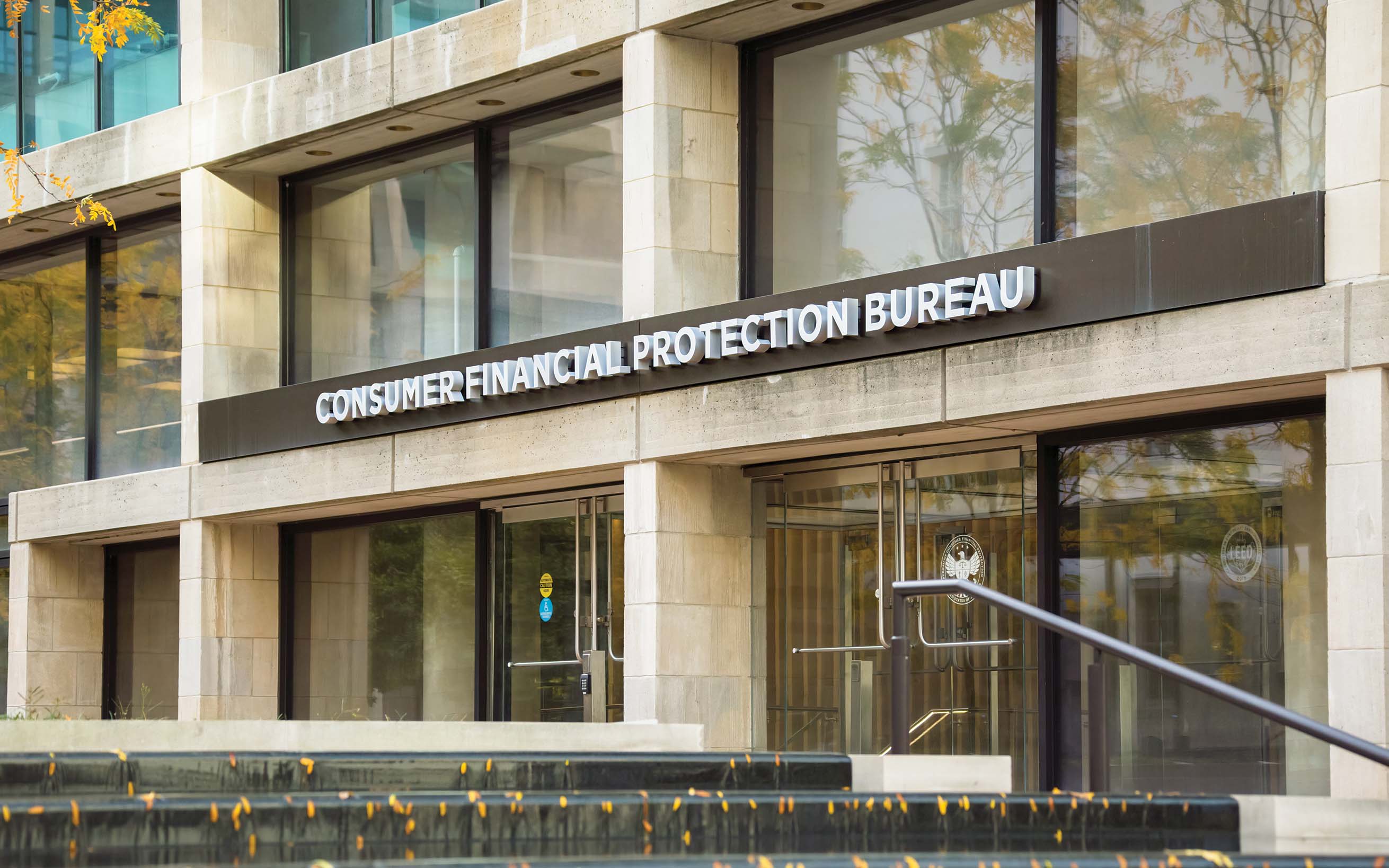
Thanks to advocacy work from community bankers and ICBA, fairer regulatory compliance standards are on the horizon.
December 01, 2025 / By Katie Kuehner-Hebert
Thanks to advocacy work from community bankers and ICBA, fairer regulatory compliance standards are on the horizon.
It’s no surprise that the regulatory and compliance landscape for the financial services sector has been reshaped by the second Trump administration. While several issues remain up in the air, many changes are likely to spell less-burdensome requirements for community banks.
“This past year, we’ve observed meaningful shifts in the regulatory environment,” says Lilly Thomas, ICBA’s executive vice president of regulatory relations. “While some uncertainty remains, emerging themes suggest a more thoughtful and responsive approach from regulators.”
There is a growing recognition of the need to balance oversight with flexibility, particularly as financial institutions grapple with the rapid evolution of technology, Thomas says.
“Regulators appear increasingly mindful of the cumulative impact of existing regulations and are exploring ways to ease burdens without compromising stability,” she says. “Importantly, there is renewed attention on the distinct role community banks play in serving Main Street.”
As such, policymakers are considering regulatory actions that align more closely with the Trump administration’s stated priorities, Thomas says.
This has been a watershed year for community banks, with a number of regulatory reversals, delays and reconsiderations that reflect both political change and advocacy from the banking sector, says Michael Emancipator, ICBA senior vice president and regulatory counsel.
“[We’ve seen] some significant wins—some that protect the flexibility and autonomy of community banks, others that guard against regulatory overreach,” Emancipator says. “There is a growing recognition that community banks often face disproportionate burdens from rules designed for larger or more complex institutions.”
ICBA has been successful both in getting exemptions or delays for many of these rules and in pushing for thresholds that better align burdens with size and complexity, he says.
Section 1033
Emancipator calls out the notable movement on Dodd-Frank’s Section 1033, which requires that covered financial institutions make available to consumers certain data related to their transactions and accounts upon request.
Under the previous rule finalized in October 2024, the Consumer Financial Protection Bureau (CFPB) had required broader third-party access and no fees for third-party data access, while using expansive definitions of “representative.” Under the Trump administration, it is taking a different tack.
“In 2025, the CFPB has substantially reversed course,” Emancipator says. “It first asked a court to vacate the 2024 rule, arguing it exceeded statutory authority and was arbitrary and capricious. Then, it once again reversed course, now issuing a new rulemaking to reconsider and substantially revise the rule.”
The agency published an advance notice of proposed rulemaking that asked for public comment on major issues within Section 1033, including the definition of “representative,” whether data providers may impose fees, and the adequacy of security and privacy standards, Emancipator says.
In response to the proposed rulemaking, ICBA pushed for preserving or expanding exemptions for small community banks, allowing reasonable cost recovery or fees when third parties want access under 1033 and instituting tight oversight of third-party data handlers.
“Section 1033 is no longer a done deal,” Emancipator says. “ICBA sees this year as shaping what ‘open banking’ will mean, but more under constraints than earlier versions.”
Section 1071
Section 1071 of Dodd-Frank, amended into the Equal Credit Opportunity Act, requires the collection and reporting of small-business lending data.
According to Emancipator, it’s a contentious area of regulatory compliance for community banks due to “privacy concerns, cost burdens and fear of unintended consequences for how small businesses are treated.”
In a status report filed with the Fifth Circuit in ICBA’s lawsuit challenging the Section 1071 rule, the CFPB informed the court of its plans to initiate a new rulemaking process for Section 1071. The agency also confirmed it has extended compliance deadlines under the 2023 rule by about a year.
However, under a stay that is currently in place, ICBA members would not be subject to compliance obligations while the CFPB works to issue a new proposal.
“Members of ICBA still have no defined compliance data as we await an appeal of a judicial decision,” Emancipator says.
More from ICBA
When it comes to effecting regulatory and legislative change, your voice is the most powerful tool in the toolbox. Keep up to date on the issues and learn how to lobby your legislators at icba.org/advocacy
On the legislative front, ICBA has backed several bills to mitigate or repeal 1071. The 1071 Repeal to Protect Small Business Lending Act in the House of Representatives and the Small LENDER Act in the Senate would both widen exemptions for community banks and small businesses.
ICBA anticipates the CFPB will re-propose 1071. As such, the association is pushing to reshape the obligations and “reduce data burden, ensure privacy, adjust thresholds and possibly repeal the statute entirely,” Emancipator says.
“Putting these developments together, 2025 was a turning point,” he adds. “Community banks have managed to stop or delay several regulatory initiatives that would have imposed disproportionate burdens and risk to customer relationships, privacy and local credit availability.”
The CFPB’s shift toward more modest and tailored regulation is positive, Emancipator says. He believes the regulatory push during the Biden administration was too aggressive and broadly applied to small banks.
“However, risk remains,” he says. “Litigation is ongoing, rules under reconsideration might still emerge in new forms, regulatory drift could still impose costs, and reputational and compliance risk remains, especially for small banks grappling with shifting rulemaking timelines or litigation outcomes.”
Katie Kuehner-Hebert is a writer in California.
Subscribe now
Sign up for the Independent Banker newsletter to receive twice-monthly emails about new issues and must-read content you might have missed.
Sponsored Content


Featured Webinars


Join ICBA Community
Interested in discussing this and other topics? Network with and learn from your peers with the app designed for community bankers.
Related Articles

Community Bank CFOs on Regulation and Cost Pressures
Compliance & RiskCompliance and BSA-AML

Beyond the Rate Race: Bank Deposit Growth Strategies
Digital BankingGrowth

Anjelica Dortch: Community Bank AI Security Readiness Guide is Here
CybersecurityAdvocacy
Subscribe Today
Sign up for Independent Banker eNews to receive twice-monthly emails that alert you when a new issue drops and highlight must-read content you might have missed.
News Watch Today

Join the Conversation with ICBA Community
ICBA Community is an online platform led by community bankers to foster connections, collaborations, and discussions on industry news, best practices, and regulations, while promoting networking, mentorship, and member feedback to guide future initiatives.
Join the Community Example Text